
Hello Captain,
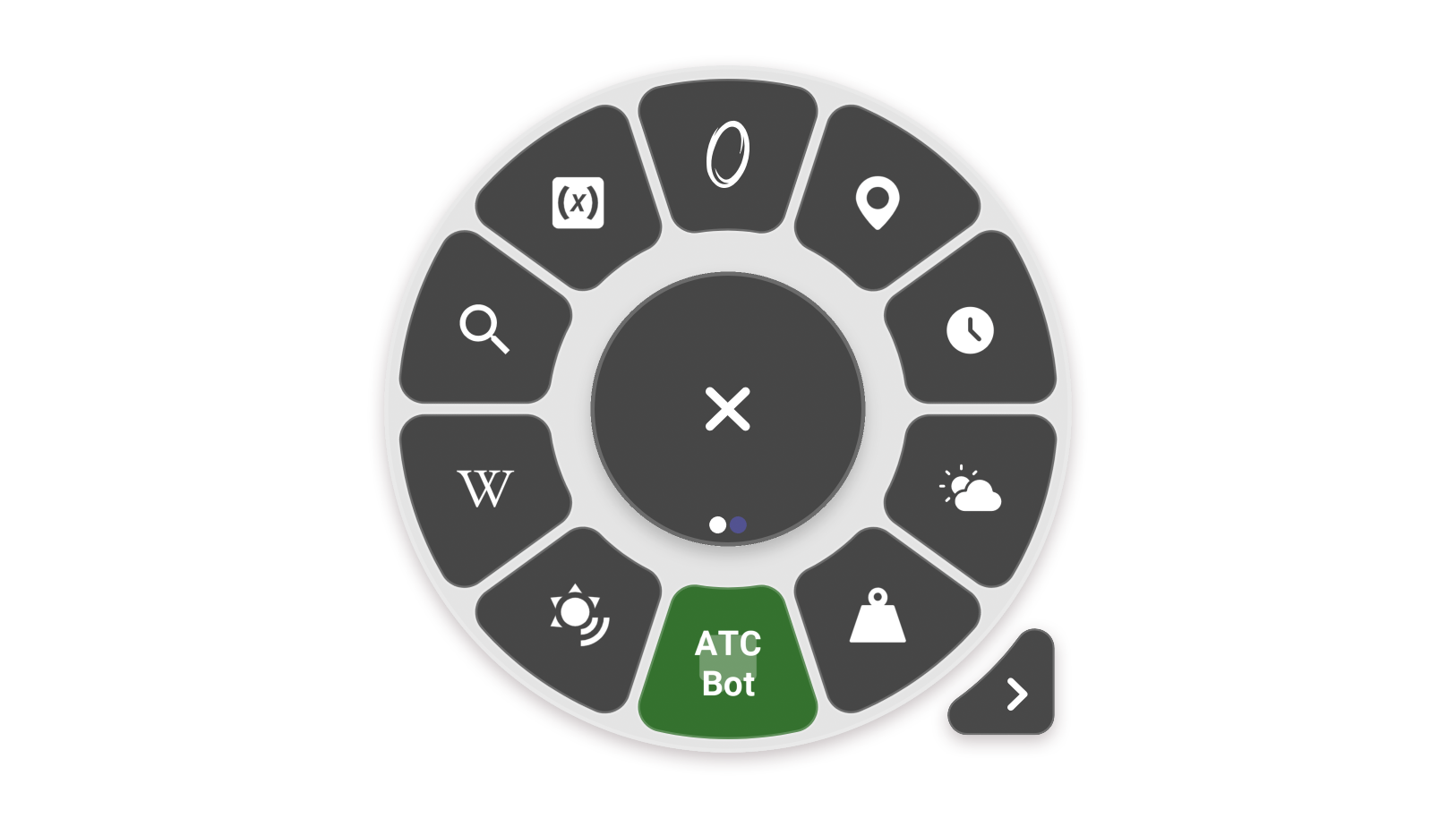
The past week has been incredibly rewarding. Seeing Flow in the hands of so many content creators and watching them shape it into their own version of a perfect menu system has been great to experience. That level of personalization is exactly what Flow was designed for!
Once Flow went public and real usage began, we started paying close attention to patterns in feedback and support.
After a few days, one trend became very clear. The majority of support questions were related to input mapping. When something shows up that consistently, it deserves immediate attention.
We initially chose to handle input listening and mapping directly within the simulator. That decision respected the platform and maybe kept the door cracked open for future console adoption. However, in practice, it proved to be way more limiting than expected.
We always try to work within the platform when possible, but we’re not afraid to go beyond it. Managing inputs externally simply delivers a better experience. It allows us to support bindings that the simulator does not make accessible to us, like custom buttons on your mouse, miscellaneous controllers etc. It also reduces setup friction, and results in a more reliable and predictable system overall.
Starting with today’s update, Flow will move to external input handling for input mapping. You MAY have to rebind your preferred key/button.
This update simplifies setup, expands what can be bound, and significantly reduces the issues we’ve seen around input detection. For most users, this should feel immediately better, require less trial and error...and eliminate needing to make macros in mice drivers!
Moments like this are exactly why we embrace limited releases. Club 42 early access gives us real world time with our most loyal customers, helping surface clear patterns and address them before a wider release. This core group genuinely cares about building great things and consistently goes the extra mile in support to help us get it right. They take the same pride in our releases as we do.
Behind the scenes, we tend to work quietly. We don’t spend much time talking about roadmaps or small incremental changes, but we are always listening, adjusting, and improving the areas that matter most. It’s been a busy week in house, but the update is now available.
//e